The History of Pipe Smoking in Canada
Pipe smoking has a deep and storied history in Canada, stretching back thousands of years to Indigenous traditions and evolving through centuries of cultural exchange.
Indigenous Origins
Long before European contact, Indigenous peoples across Canada used pipes for:
- Ceremonial purposes: Sacred pipe ceremonies
- Diplomatic relations: The peace pipe tradition
- Medicinal use: Herbal smoking blends
- Social gatherings: Community bonding
The calumet, or ceremonial pipe, held profound spiritual significance across many First Nations.
Colonial Era
European settlers brought their own pipe traditions:
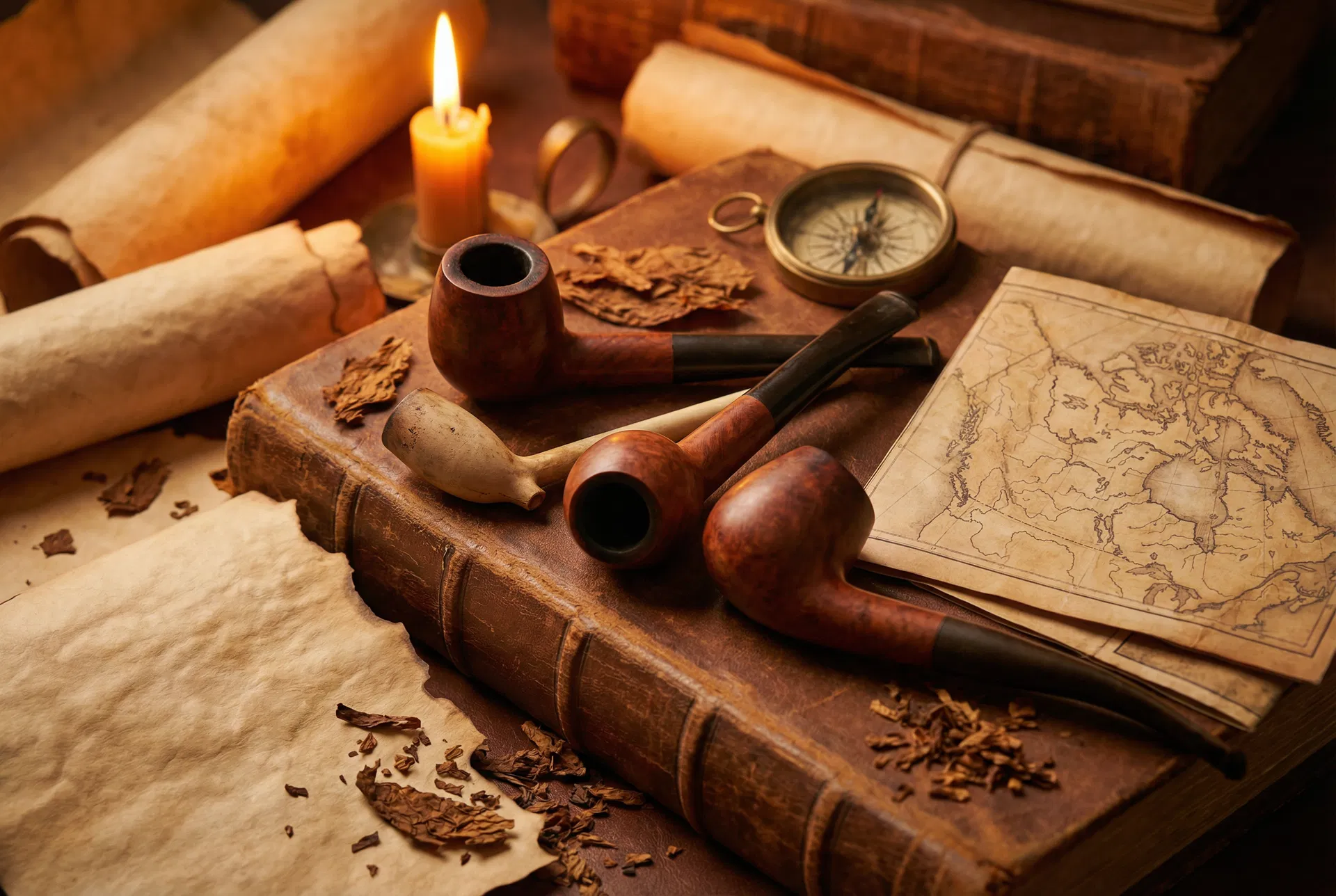
- Clay pipes from England and France
- Meerschaum pipes from Germany
- Briar pipes became popular in the 1800s
- Tobacco shops became social gathering places
The Golden Age (1900s-1960s)
Pipe smoking reached its peak popularity:
- Pipe clubs formed across major cities
- Canadian-made pipes gained recognition
- Pipe tobacco blends became increasingly sophisticated
- Iconic figures popularized the pipe
Modern Revival
Today, pipe smoking enjoys a niche but passionate following:
- Artisan pipe makers craft beautiful pieces
- Online communities connect enthusiasts
- Vintage pipe collecting is thriving
- Specialty tobacco shops cater to connoisseurs
The pipe remains a symbol of contemplation, craftsmanship, and connection to Canada's rich tobacco heritage.
Related Guides
Indian Reserve Tobacco
Learn about the heritage and tradition of Indian reserve tobacco in Canada.
Buy Native Cigarettes Online
Order authentic native cigarettes online with fast, discreet shipping across Canada.
Reserve Cigarettes Near Me
Find tax-free reserve cigarettes from First Nation communities.